

Christmas Around the World: 12 Holiday Traditions to Explore With Your Kids [Designed for Foreign Service Families]
Discover festive traditions, fascinating cultural celebrations, and fun holiday activities from 12 countries around the world!
Christmas is celebrated in many different ways around the world! From sparkling Christmas markets in Germany to colorful lantern festivals in the Philippines, every country has its own special traditions, foods, music, and celebrations.
For Foreign Service families, the holiday season is a wonderful opportunity to turn life abroad into a learning adventure. Maybe you’re celebrating Christmas in a country where it’s summertime, discovering a local holiday market, or introducing your children to traditions they’ve never experienced before.
One of the best parts of raising globally minded kids is helping them appreciate the many ways people celebrate around the world.
This year, why not take your family on a Christmas adventure without ever leaving home?
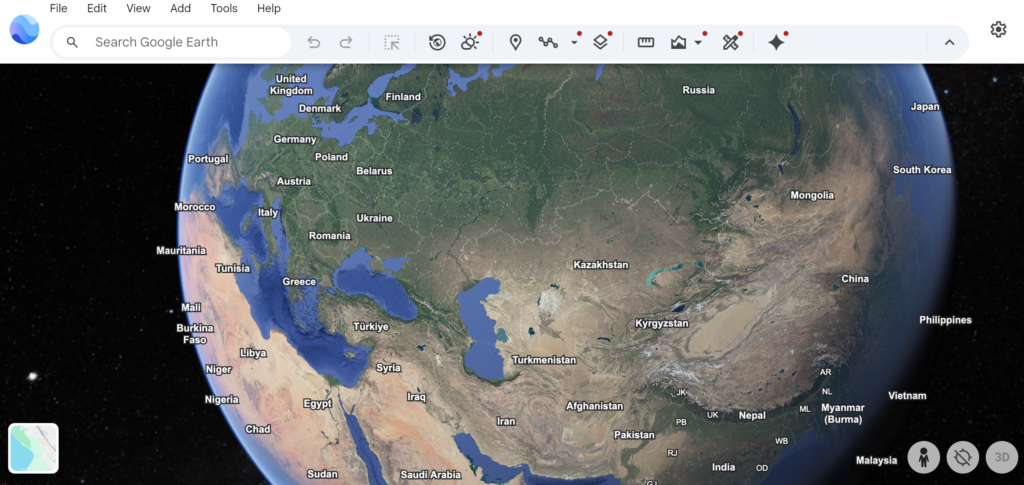
Grab a world map (or you can even use Google Earth), gather the kids, and let’s explore 12 holiday traditions from around the globe. We’ve also included a fun activity for each country so your children can bring a little international holiday magic into your own home!
1. Germany: Explore the Magic of Christmas Markets
Tradition: Weihnachtsmärkte (Christmas Markets)
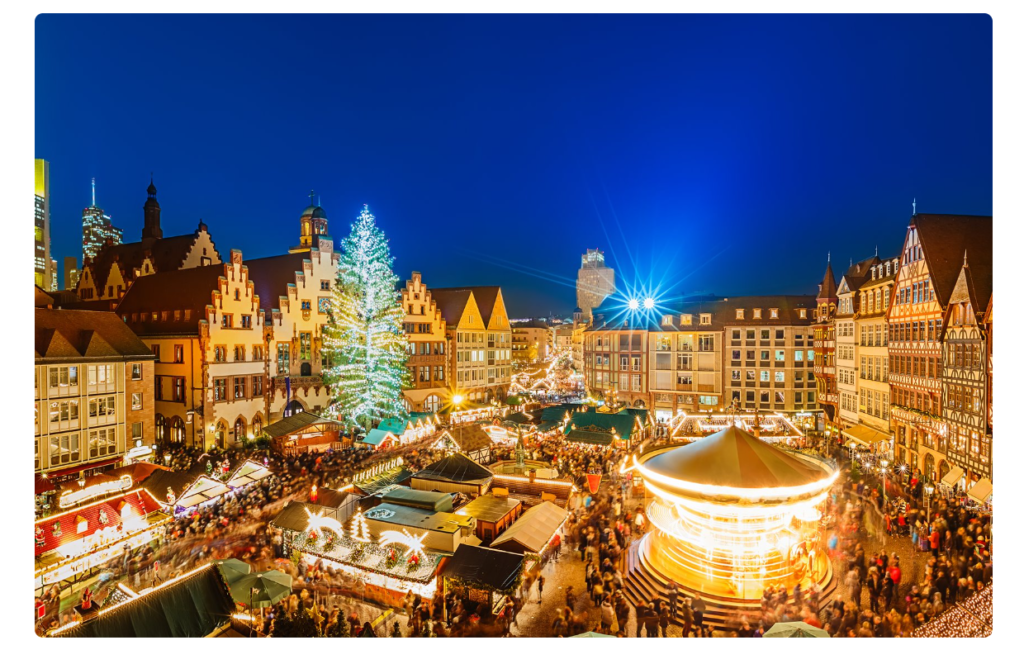
Germany is famous for its beautiful Christmas markets, known as Weihnachtsmärkte. During the weeks leading up to Christmas, town squares transform into festive villages filled with wooden stalls, twinkling lights, handmade ornaments, seasonal treats, and holiday music.
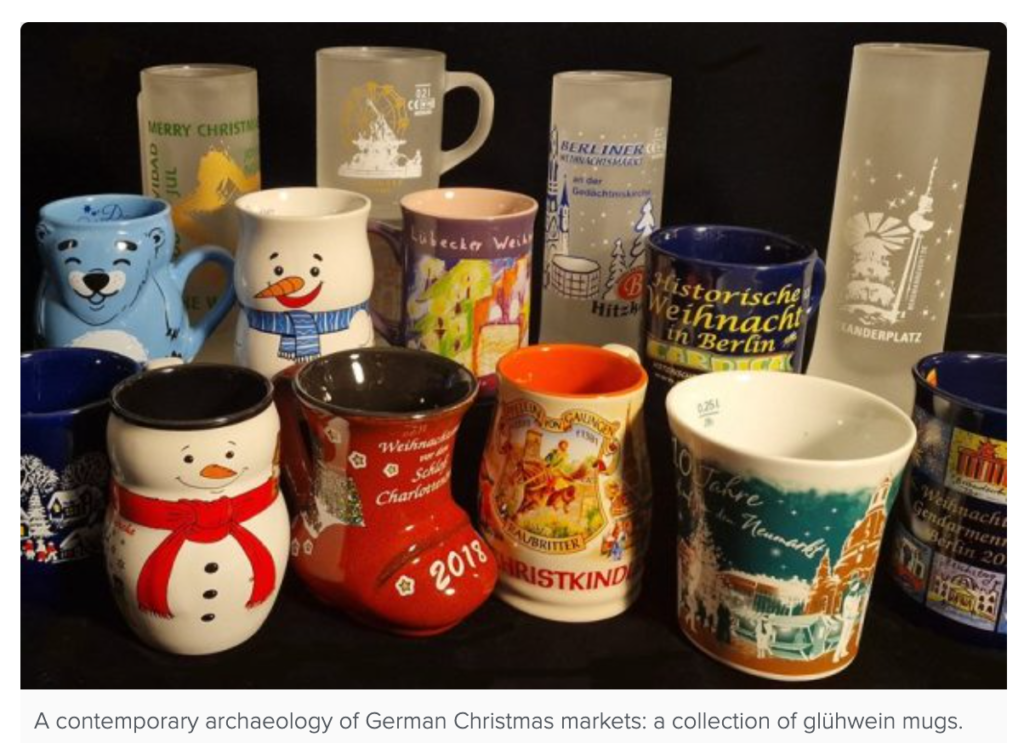
Families stroll through the markets shopping for handcrafted gifts, sipping warm drinks, and enjoying traditional treats like gingerbread (Lebkuchen) and roasted almonds.
Many German families also celebrate Advent, the four weeks leading up to Christmas. Advent calendars are especially popular, giving children a little surprise each day as they count down to December 24.
Try It at Home: Create Your Own Mini Christmas Market!
- Set up a few small tables with holiday crafts, homemade treats, or handmade ornaments.
- Let each child create something to sell or trade.
- Make German-inspired gingerbread cookies together.
- Create an Advent calendar with 24 little surprises or activities.
Fun Fact: Many German Christmas markets date back hundreds of years, making them an important part of the country’s holiday heritage.
Want to explore Germany’s magical Christmas markets? Visit the resource below for a closer look at some of the country’s most beautiful Christmas markets, complete with detailed information and plenty of photos!
Explore Christmas Markets Throughout Germany
2. Mexico: Celebrate Las Posadas
Tradition: Las Posadas, which is celebrated in Mexico, Guatemala, Honduras, El Salvador, and elsewhere in Latin America, as well as in some parts of the United States.
In Mexico, the Christmas season is filled with music, community celebrations, and colorful traditions. One of the most beloved is Las Posadas, celebrated from December 16 through December 24.
Las Posadas means “the inns” and commemorates Mary and Joseph’s search for shelter before the birth of Jesus.
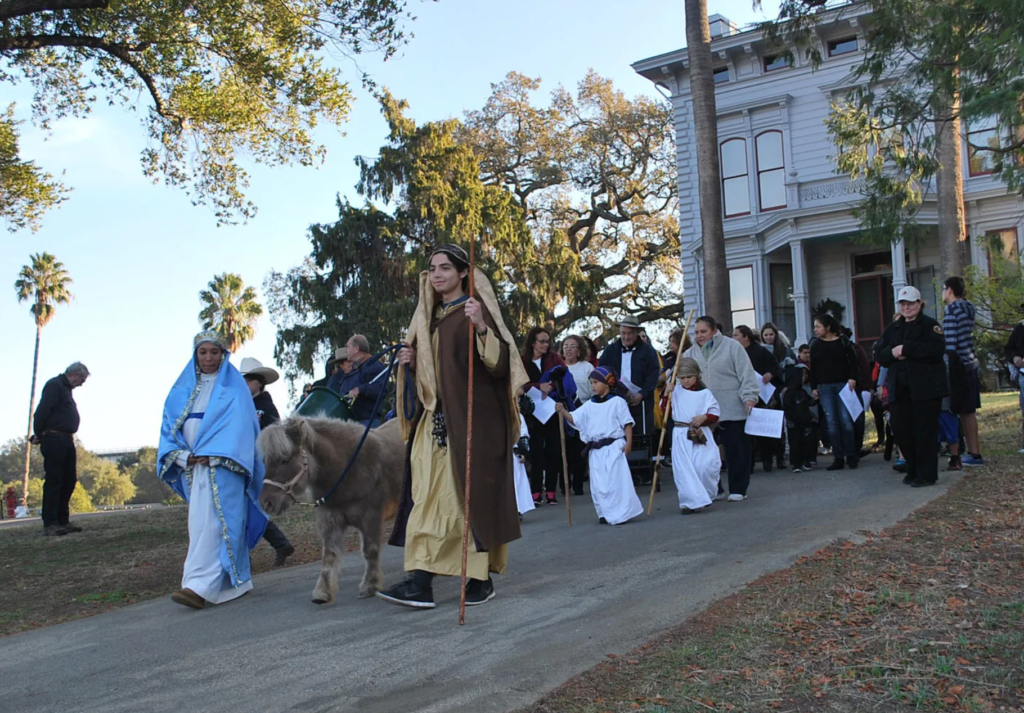
During these nine nights, communities gather for processions, singing, prayers, and festive celebrations. Participants often carry candles and reenact the journey to Bethlehem. The celebrations frequently end with delicious food, music, and candy-filled piñatas!
Try It at Home: Make a Christmas Piñata!
- Create a simple star-shaped piñata using cardboard or papier-mâché.
- Decorate it with colorful tissue paper.
- Fill it with small candies and treats.
- Learn a traditional Las Posadas song together.
Fun Fact: The nine nights of Las Posadas represent the nine months of Mary’s pregnancy.
Want to learn more about Las Posadas? Explore the resource below to discover the history and meaning behind this beloved Mexican Christmas tradition, including how families and communities celebrate the nine nights leading up to Christmas!
3. Philippines: Light Up the Season With Parol Lanterns
Tradition: Parol Lanterns and Simbang Gabi
The Philippines is known for having one of the longest Christmas seasons in the world! Christmas celebrations often begin as early as September, with festive decorations, music, and holiday excitement appearing throughout the country.
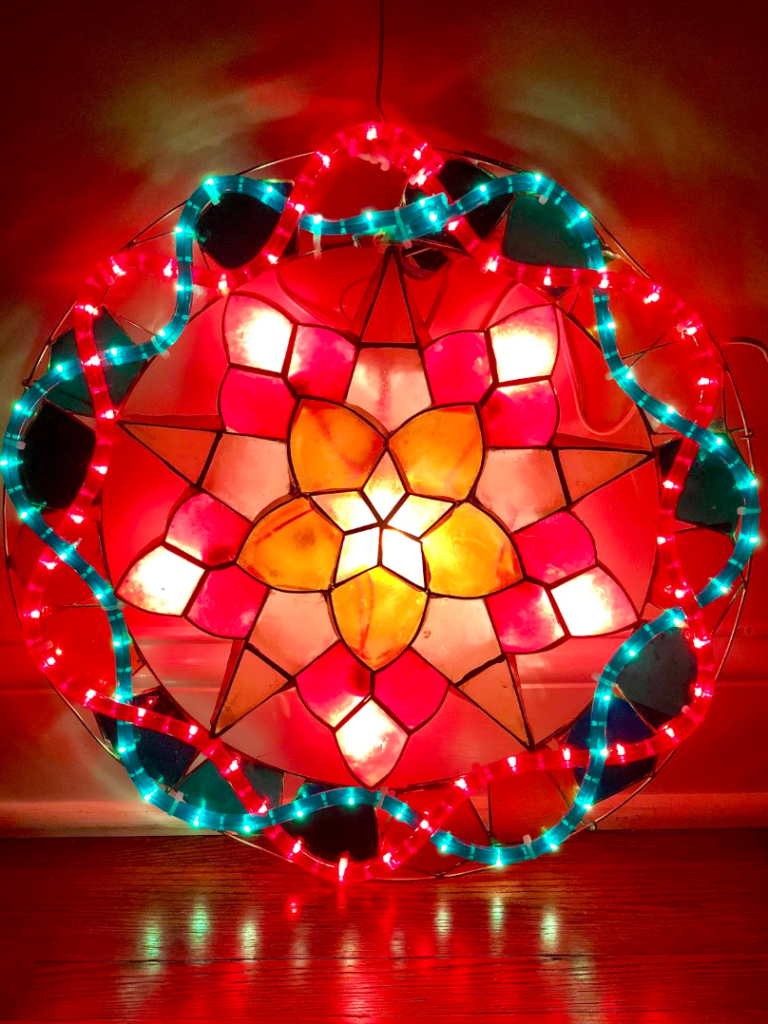
One of the most recognizable traditions is the parol, a beautiful star-shaped lantern traditionally made from bamboo and colorful paper. The star represents the Star of Bethlehem and is displayed in homes, streets, and communities.
Another beloved tradition is Simbang Gabi, a series of nine dawn or evening Masses celebrated from December 16 through December 24.
In San Fernando, Pampanga, the famous Giant Lantern Festival showcases enormous illuminated lanterns with intricate, colorful designs.
Try It at Home: Make Your Own Parol!
- Use colorful construction paper, popsicle sticks, or craft supplies.
- Create a star-shaped lantern.
- Decorate it with bright colors and patterns.
- Hang it in a window to brighten your home.
Fun Fact: The Giant Lantern Festival in San Fernando features enormous lanterns with elaborate lighting patterns that can take months to prepare.
4. Sweden: Celebrate St. Lucia Day
Tradition: Saint Lucia’s Day
On December 13, Sweden celebrates St. Lucia’s Day, a beautiful festival of light during one of the darkest times of the year.
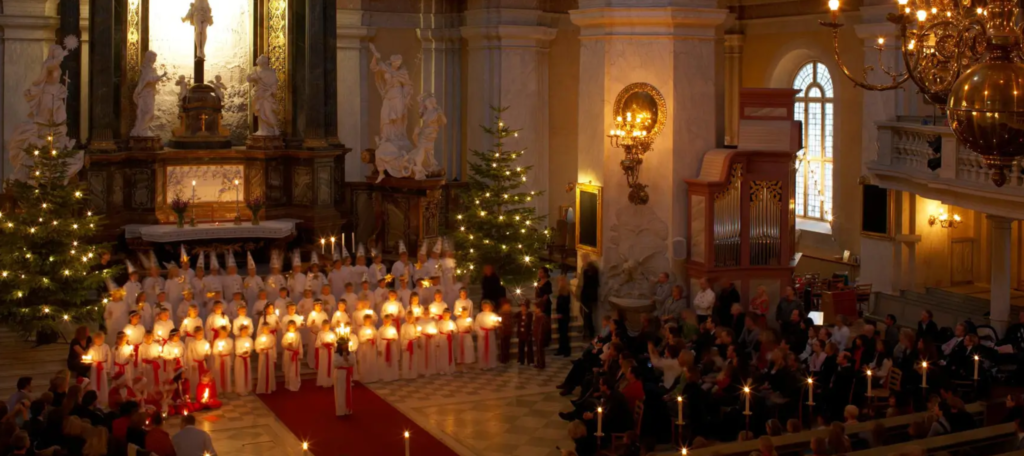
The celebration honors Saint Lucia and symbolizes hope, light, and kindness.
Children often participate in Lucia processions wearing white robes. One child traditionally wears a crown of candles or lights, while others carry candles and sing traditional songs.
A favorite holiday treat during this celebration is lussekatter, sweet saffron buns traditionally shaped like curled-up cats.
Try It at Home: Host Your Own Lucia Celebration!
- Dress in white clothing.
- Make paper candle crowns or use battery-operated tea lights.
- Bake saffron-inspired sweet rolls or cinnamon buns.
- Play traditional Swedish Christmas music.
- Talk about how different cultures celebrate light during the winter season.
Fun Fact: St. Lucia’s Day is one of Sweden’s most cherished December traditions, with celebrations taking place in schools, churches, workplaces, and homes.
Want to learn more about Sweden’s St. Lucia Day traditions? Visit the resource below to discover the history and meaning behind this beautiful Swedish celebration of light, including its customs, traditional clothing, music, and festive celebrations!
Explore St. Lucia Day Traditions in Sweden
5. Iceland: Meet the 13 Yule Lads
Tradition: The Yule Lads (Jólasveinar)
Forget one Santa Claus! In Iceland, children have 13 mischievous holiday visitors known as the Yule Lads.
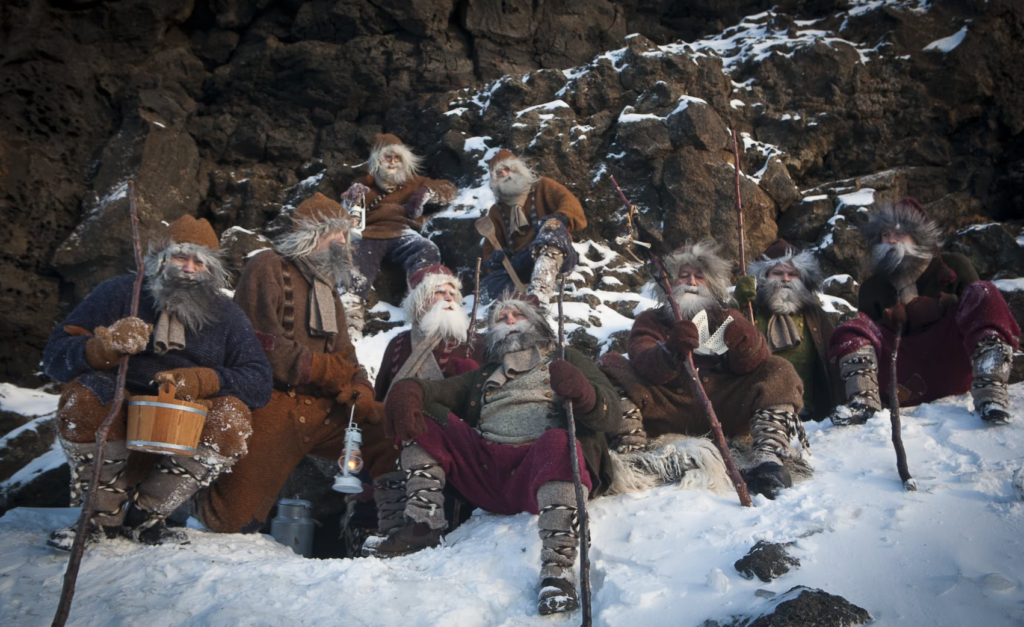
According to Icelandic folklore, one Yule Lad visits children each night during the 13 nights leading up to Christmas.
Children place a shoe on their windowsill, hoping to receive a small gift from the visiting Yule Lad. Children who have misbehaved might find a potato instead!
Each Yule Lad has a unique personality and a funny name associated with his mischievous habits. Some are known for stealing food, slamming doors, or sneaking around the kitchen.
Another Icelandic holiday tradition is the Jólabókaflóð, or Christmas Book Flood. Many Icelanders exchange books on Christmas Eve and spend the evening reading together.
Try It at Home: Start Your Own Book Flood!
- Have each family member choose a book to give someone else.
- Wrap the books and exchange them on Christmas Eve.
- Spend the evening reading together with hot chocolate.
- Create a family reading corner with blankets and Christmas lights.
Fun Fact: Iceland’s 13 Yule Lads each have their own name, personality, and story!
6. Japan: Enjoy a Unique Christmas Dinner
Tradition: Christmas Fried Chicken and Strawberry Cake
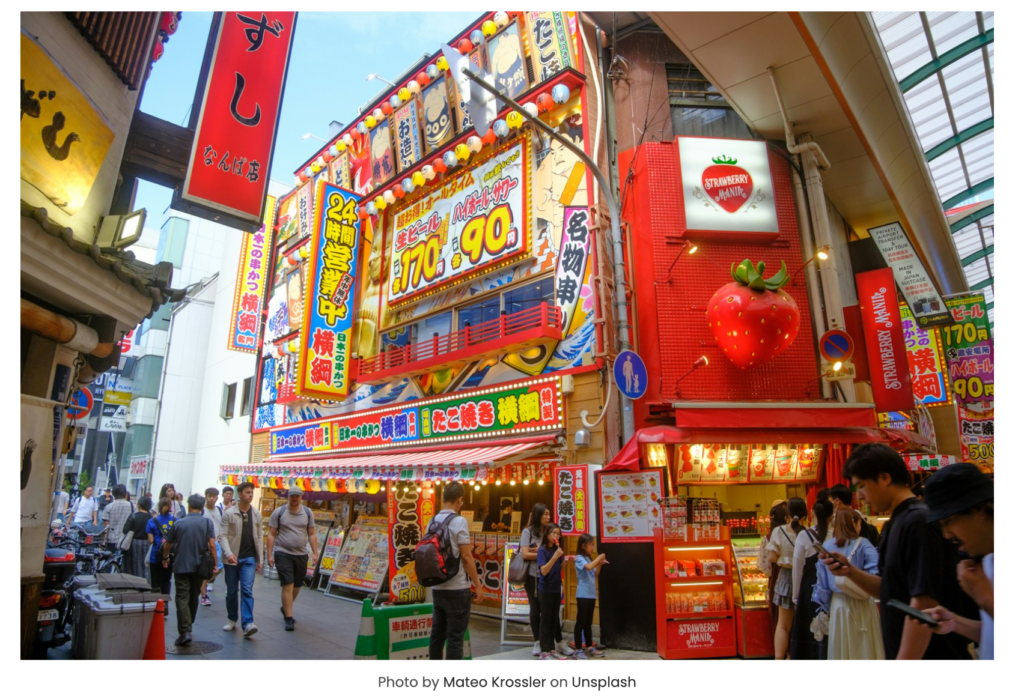
Christmas in Japan looks a little different from what many American families might expect.
Although Christmas is not a traditional national religious holiday in Japan, it has become a popular seasonal celebration filled with beautiful light displays, festive decorations, gift-giving, and special foods.
One particularly interesting modern tradition is enjoying Kentucky Fried Chicken (KFC) for Christmas dinner!
This custom became popular after a successful marketing campaign in the 1970s. Today, many families order special Christmas chicken meals in advance.
Another popular holiday treat is Japanese Christmas cake, typically a light sponge cake topped with whipped cream and fresh strawberries.
Try It at Home: Have a Japanese-Inspired Christmas Dinner!
- Prepare homemade fried chicken.
- Make a strawberry shortcake or sponge cake.
- Decorate your table with simple Christmas decorations.
- Compare a traditional American Christmas dinner with a Japanese-inspired holiday meal.
Fun Fact: Christmas Eve is especially popular for festive outings and celebrations in Japan, and restaurants often receive reservations well in advance.
7. Poland: Share a Special Christmas Eve Dinner
Tradition: Wigilia
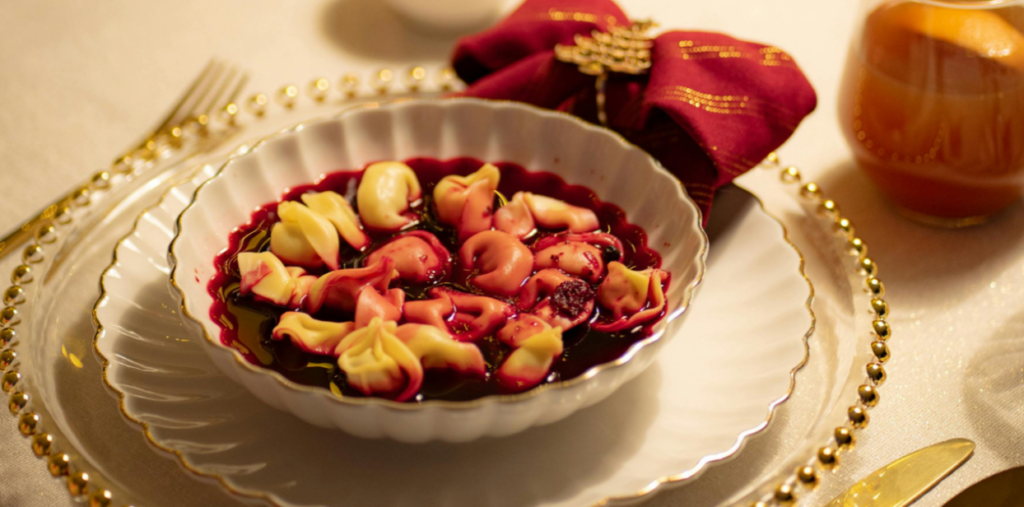
In Poland, Christmas Eve, known as Wigilia, is one of the most meaningful celebrations of the holiday season.
Traditionally, families wait until the first star appears in the evening sky before beginning their Christmas Eve meal. This symbolizes the Star of Bethlehem.
The meal traditionally includes 12 meatless dishes, representing the 12 apostles. Popular foods may include pierogi, beet soup called barszcz, fish, and poppy seed desserts.
Another special custom involves sharing opłatek, a thin Christmas wafer. Family members break off pieces, exchange good wishes, and share hopes for the coming year.
Many families also set an extra place at the table as a gesture of hospitality and remembrance.
Try It at Home: Create Your Own Wigilia Dinner!
- Prepare a special family meal with several dishes.
- Set an extra place at the table.
- Have everyone share one wish or blessing for the coming year.
- Make homemade pierogi or try a traditional Polish dessert.
Fun Fact: The first-star tradition gives children something special to watch for as the family prepares for Christmas Eve dinner.
8. Italy: Meet La Befana
Tradition: La Befana
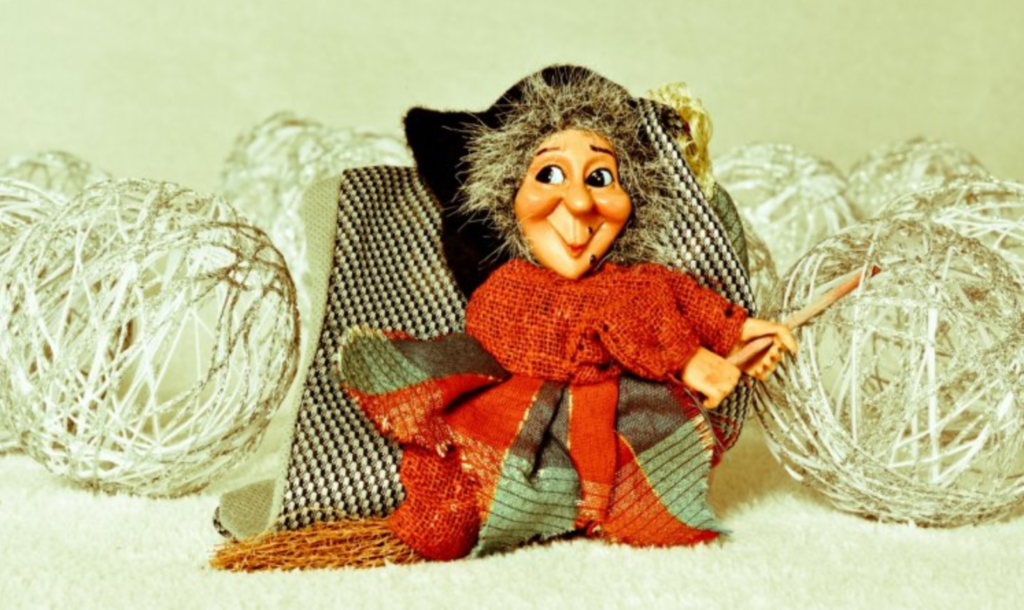
In Italy, the holiday season doesn’t end on Christmas Day!
One of the most beloved Italian holiday traditions takes place on January 5, when children await a visit from La Befana.
La Befana is a friendly, broom-riding old woman who visits children’s homes on the eve of Epiphany. According to tradition, she fills stockings with candy and small gifts for good children and sometimes leaves coal-shaped candy for those who have been naughty.
Epiphany, celebrated on January 6, marks the end of the traditional Christmas season in Italy.
Italian families also enjoy beautiful nativity scenes, known as presepi, which are displayed in homes, churches, and town squares.
Try It at Home: Celebrate La Befana!
- Hang stockings on January 5.
- Make broomstick decorations using craft sticks and paper.
- Create a small nativity scene.
- Enjoy Italian cookies or hot chocolate together.
Fun Fact: La Befana is one of Italy’s most recognizable holiday figures, and her story is connected to the Three Wise Men.
9. Australia: Celebrate Christmas in the Summer!
Tradition: Beach Days and Outdoor Christmas Celebrations
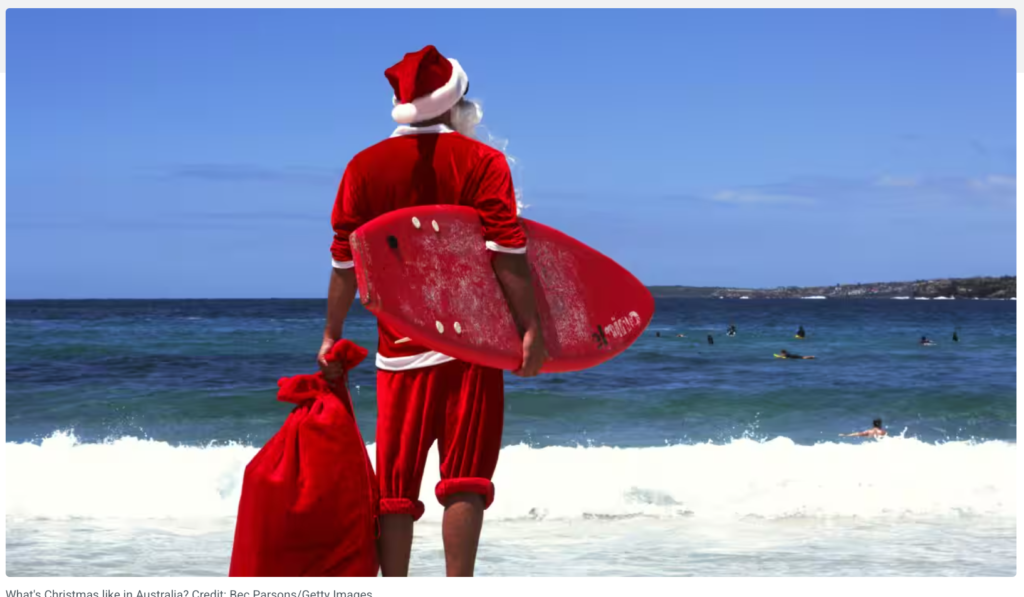
While many countries associate Christmas with snow, fireplaces, and winter coats, Australia celebrates the holiday right in the middle of summer!
With Christmas falling during Australia’s warmest season, families often celebrate outdoors with barbecues, seafood, picnics, and trips to the beach.
Some families enjoy traditional Christmas meals with cold ham, prawns, salads, and pavlova, a popular meringue-based dessert topped with fruit and cream.
Carols by Candlelight events are also a popular part of the Australian holiday season, bringing communities together to sing Christmas songs outdoors.
Try It at Home: Have a Summer Christmas!
- Plan a backyard Christmas picnic.
- Make a pavlova or a fruit-filled dessert.
- Decorate with sunglasses, beach balls, and seashells.
- Have a Christmas beach day or outdoor movie night if the weather allows.
Fun Fact: Christmas in Australia happens during summer vacation, so many families celebrate with outdoor activities and beach gatherings!
10. Ethiopia: Celebrate Ganna in January
Tradition: Ethiopian Orthodox Christmas
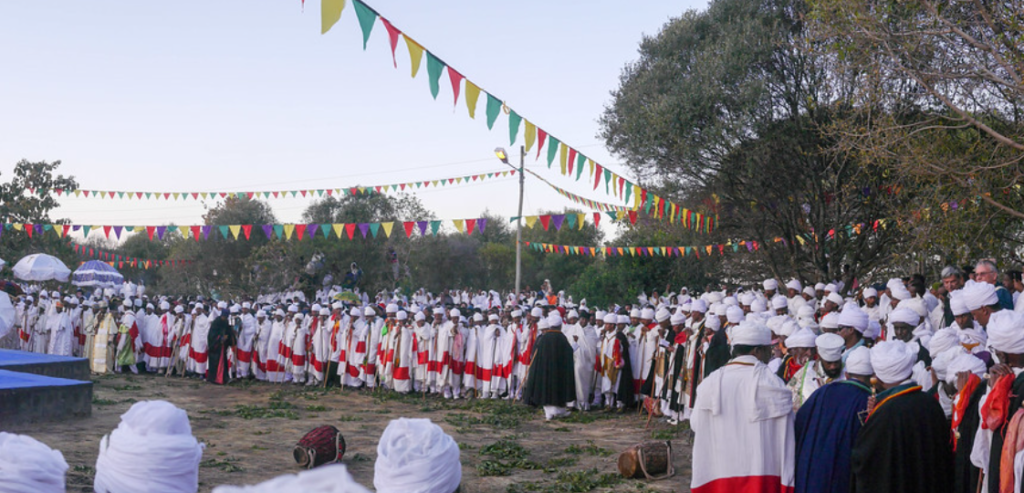
Did you know that not everyone celebrates Christmas on December 25?
In Ethiopia, many Ethiopian Orthodox Christians celebrate Christmas, known as Ganna or Genna, on January 7.
The celebration includes special church services, traditional clothing, music, and family gatherings.
Many worshippers dress in white traditional garments called netela or shamma and attend church services. Some services include candlelit processions and beautiful singing.
Traditional foods served during the holiday may include doro wat, a spicy chicken stew, and injera, a spongy flatbread used to share meals.
Try It at Home: Explore Ethiopian Food and Culture!
- Find Ethiopia on a world map.
- Learn a few words in Amharic, one of Ethiopia’s widely spoken languages.
- Explore Ethiopian music and traditional clothing.
- Try making injera or an Ethiopian-inspired meal together.
Fun Fact: Ethiopian Christmas is celebrated on January 7 according to the Ethiopian Orthodox calendar, making it a wonderful reminder that Christmas traditions and calendars can differ around the world.
11. Spain: Celebrate Three Kings Day
Tradition: Día de los Reyes Magos
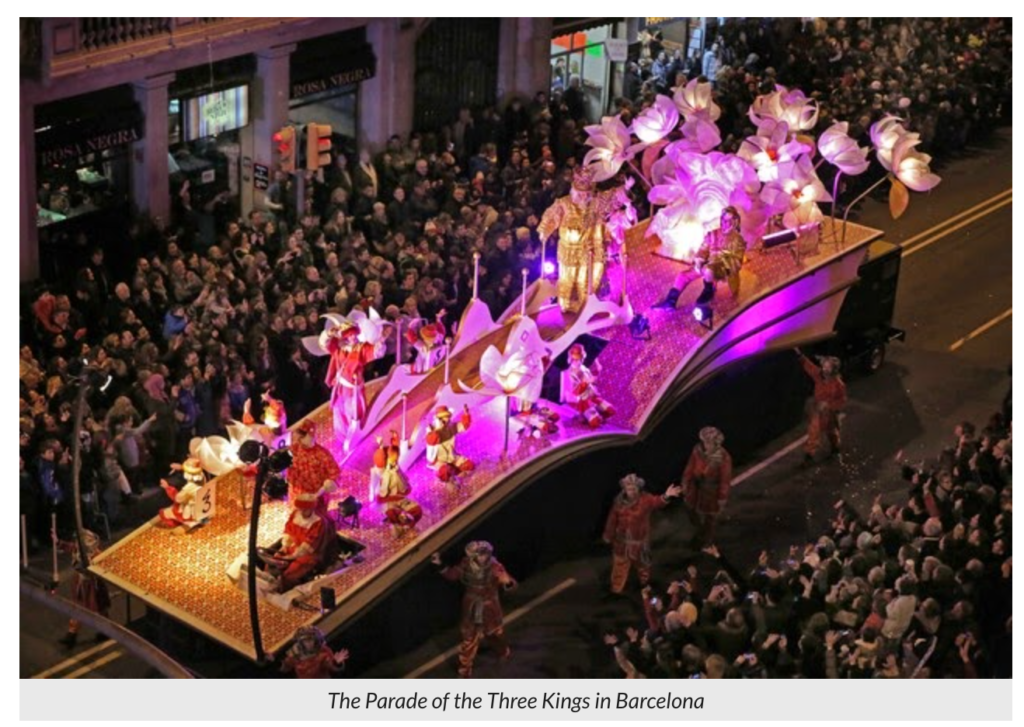
In Spain, Christmas celebrations continue well beyond December 25!
One of the most exciting days of the season for many Spanish children is January 6, known as Three Kings Day or Día de los Reyes Magos.
The holiday celebrates the arrival of the Three Wise Men, who brought gifts to baby Jesus.
On the evening of January 5, many Spanish towns and cities host colorful parades called Cabalgatas de Reyes. Children gather to watch the Three Kings arrive, waving and tossing sweets into the crowds.
On January 6, children traditionally receive gifts from the Three Kings.
Families also enjoy a special holiday cake called Roscón de Reyes. This ring-shaped sweet bread is decorated with colorful candied fruit and often contains a hidden figurine and a dry bean. Traditions vary, but finding the figurine or bean can come with a fun surprise!
Try It at Home: Celebrate the Three Kings!
- Make or purchase a sweet ring-shaped cake.
- Decorate it with colorful fruit.
- Learn about the Three Wise Men.
- Have a small family gift exchange on January 6.
Fun Fact: In many Spanish communities, the Three Kings parade on January 5 is one of the biggest highlights of the holiday season.
12. United States: Bring Together Traditions From Around the World
Tradition: Creating Your Own Family Christmas Traditions
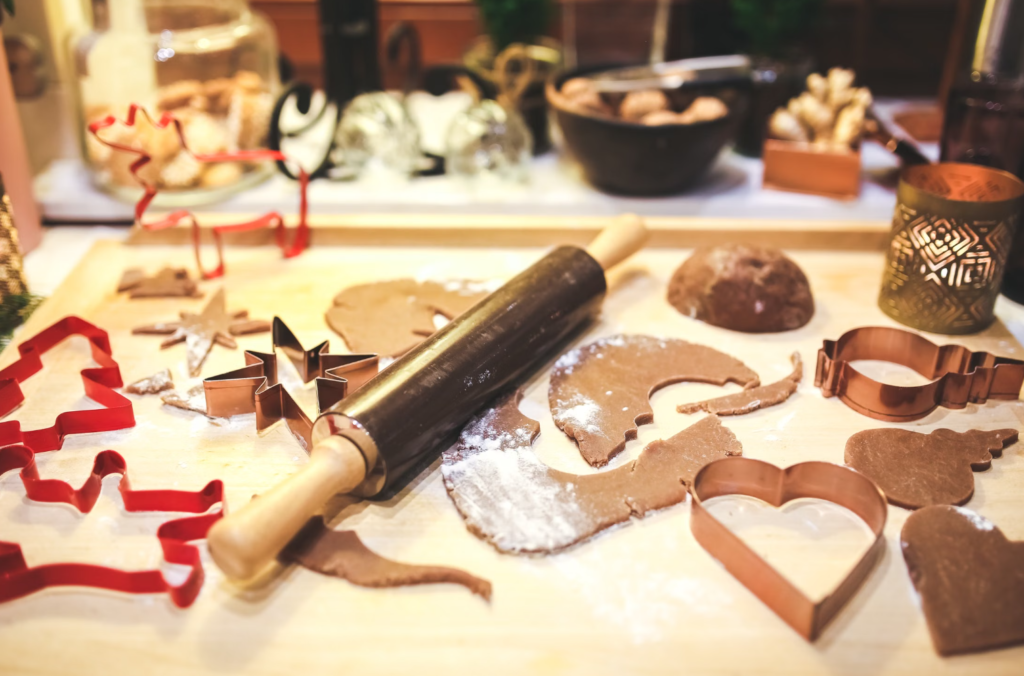
In the United States, Christmas traditions vary from family to family and from region to region.
Some families enjoy decorating Christmas trees, hanging stockings, exchanging gifts, baking cookies, attending church services, or watching favorite holiday movies.
But for Foreign Service families, Christmas can become an especially meaningful opportunity to blend traditions from different places you’ve called home.
Maybe your family has celebrated Christmas in Africa, Europe, Asia, or South America. Maybe your children have tried new foods, attended local festivals, or experienced a Christmas that looked completely different from the one they remember back home.
Those experiences become part of your family’s story.
Try It at Home: Create a Christmas Around the World Tradition!
- Choose one country each year and incorporate one of its holiday traditions.
- Make a family ornament representing a country where you’ve lived.
- Create a holiday scrapbook with photos from each post.
- Have everyone share their favorite holiday memory from around the world.
- Start a tradition of learning about a new country every December.
Fun Fact: One of the best things about growing up internationally is that your family can create traditions inspired by every place you’ve called home!
Make It a Christmas Around the World Adventure!
Learning about holiday traditions is more than just discovering how other countries celebrate Christmas. It’s an opportunity to teach children about geography, history, culture, and the many ways families around the world create meaningful memories.
For Foreign Service kids, these experiences can be especially valuable. They help children appreciate the cultures surrounding them, celebrate their own international experiences, and develop a deeper understanding of the world.
Here are three ways to continue the adventure with your family:
1. Create a Christmas Around the World Map
Print a world map and mark each of the 12 countries featured in this article. As you explore each tradition, add a sticker, flag, or small drawing to the map.
2. Try a New Tradition Every Week
Choose one country each week during December. Make a traditional recipe, create a craft, listen to music, or learn about a holiday celebration.
3. Start Your Own Family Holiday Passport
Create a small booklet where children can record each country they visit through their Christmas learning adventure. Include the country’s flag, a fun fact, a new word, and their favorite tradition.
Wherever You Celebrate, Make It Meaningful!
Whether you’re celebrating Christmas in your home country, at a new post, or somewhere in between, remember that the most meaningful holiday traditions are the ones that bring your family together.
Living abroad gives your children a unique opportunity to experience the world in ways many others never will. From discovering new holiday foods to learning about celebrations across different cultures, every experience adds another chapter to their global story.
So this December, explore something new, try a tradition from another country, and let your children see just how wonderfully diverse our world can be.
Merry Christmas and happy exploring from U.S. History Worldwide! 🎄🌎✨
Help your child excel in U.S. history while living abroad.

